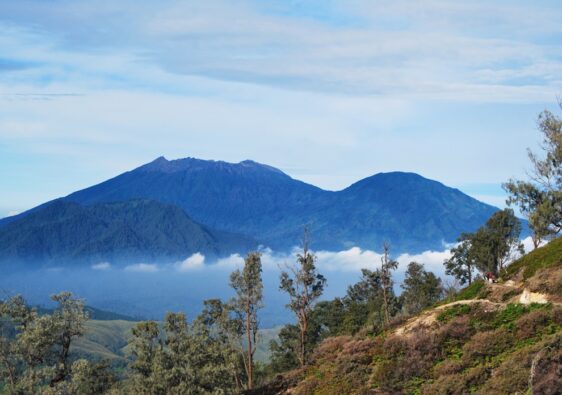
After conquering Ijen, it was time to foray further west, into the heart of Java. The world’s largest archipelago, Indonesia is spread across over 17,500 islands (I’ve been to seven of them – go me!) and sits between the Pacific Rim of Fire along the north-east, and the Alpide belt from Sumatra to Timor. Smack bang in the middle of the most active seismic region in the world. Tectonic plates gnash their teeth, volcanoes erupt, and tsunamis are generated. A deep dive down the tsunami rabbit hole indicated the last tsunami in Indonesia was in 2018 and that they occur approximately every five years, so…overdue. I’m off to Sumatra in two weeks…. hmmm….
With over seventy-five percent of the world’s active volcanoes (Indonesia is a literal volcanologist’s playground), one of these is the alluring Mount Bromo. At 2,329 metres above sea level, Bromo is the only active volcano inside the Bromo Tengger Semeru National Park. Located in the middle of a plain called “Sea of Sand” (obvs when you get there), it’s one of the most visited tourist destinations in East Java.
Legend has it that yonks ago, the ruling princess and her mate, finding themselves unable to conceive, struck a deal with the volcano gods, agreeing to throw their last child into the crater if said gods would give them children. Twenty-five children later, Kessuma drew the short straw. Launched into the abyss, his last words were to order the Tengger people to perform an annual ceremony to appease the gods. To this day, the community comes together annually for the Kasodo Ceremony held at the temple at the foot of Mt. Bromo. An eerie midnight ceremony, crowds throwing offerings into the crater: food, flowers, farm animals, no humans!
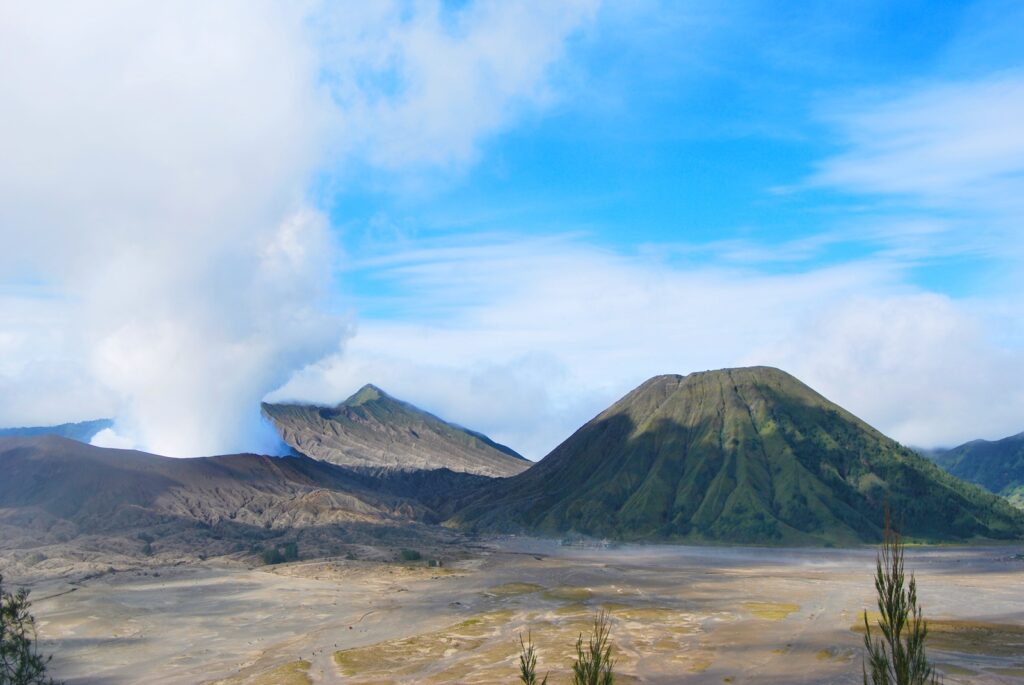
Gunung Bromo belches thick, noxious sulfuric gas from its huge crater 24/7, adding photographic majesty to its marquee event, sunrise over the volcano. Having serendipitously booked accommodation at the Lava View Lodge Hotel in Probolingo, our sunrise tour pickup was a semi-respectable 3.30am. Rooms were a bit dodge, but I wasn’t looking for comfort, just logistics. Located on the top of the caldera with to-die-for views over Mount Bromo, the sunset was hella spectacular!
Pre-dawn and groggy with sleep deprivation, we jumped into a jeep and drove for forty minutes up Mount Penanjakan, 2,770 metres above sea level and directly opposite Mt. Bromo, then walked in inky darkness (damn, forgot torches) for twenty minutes, in hopeful anticipation of a majestic sunrise. The viewing area was crowded and freaking freezing, but the sunrise was oh so pretty. Those incredible pics of Mount Bromo, Mount Batok and Mount Semeru that look picture postcard perfect…yep, they are shot from here.
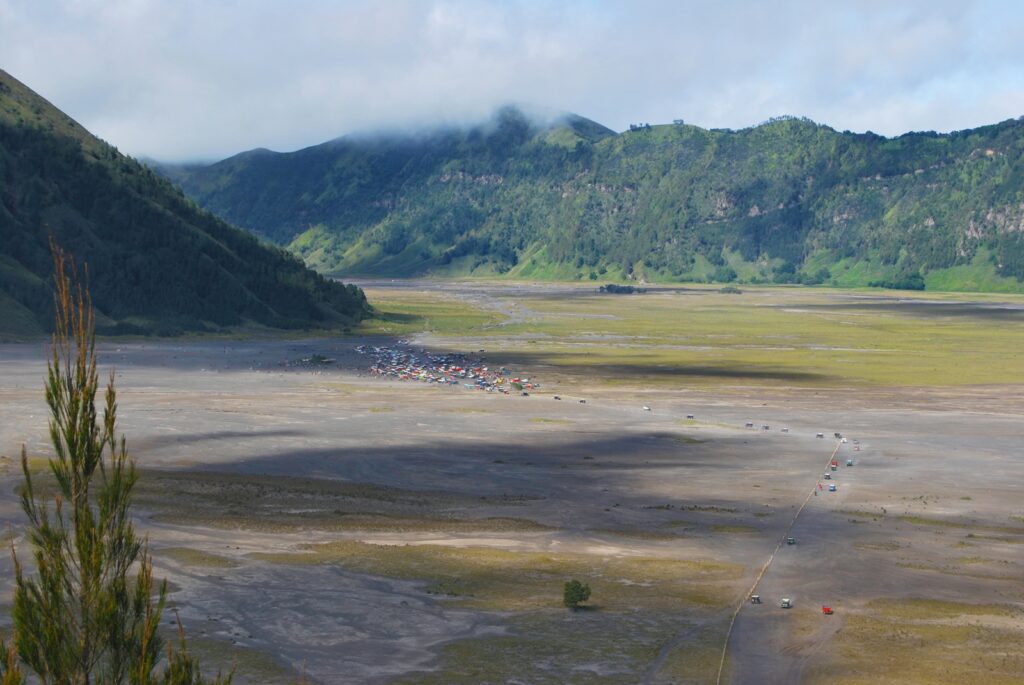
Sunrise done, then a scramble to get down the hill, into the jeep and onto the Tengger Caldera floor for a Mad Max Fury Road kind of race to the bottom of Mount Bromo. The base of Gunung Bromo is a volcanic landscape called the Sea of Sand, a vast area of fine sand and ash, dramatic, iconic, and maybe a snapshot of a post-apocalyptic planet.
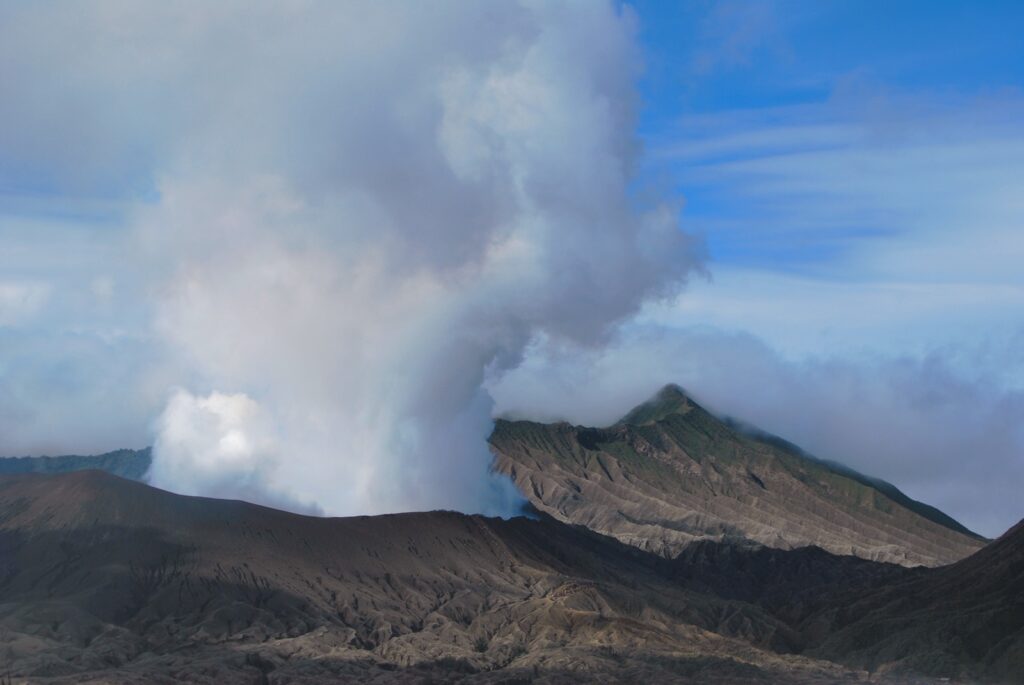
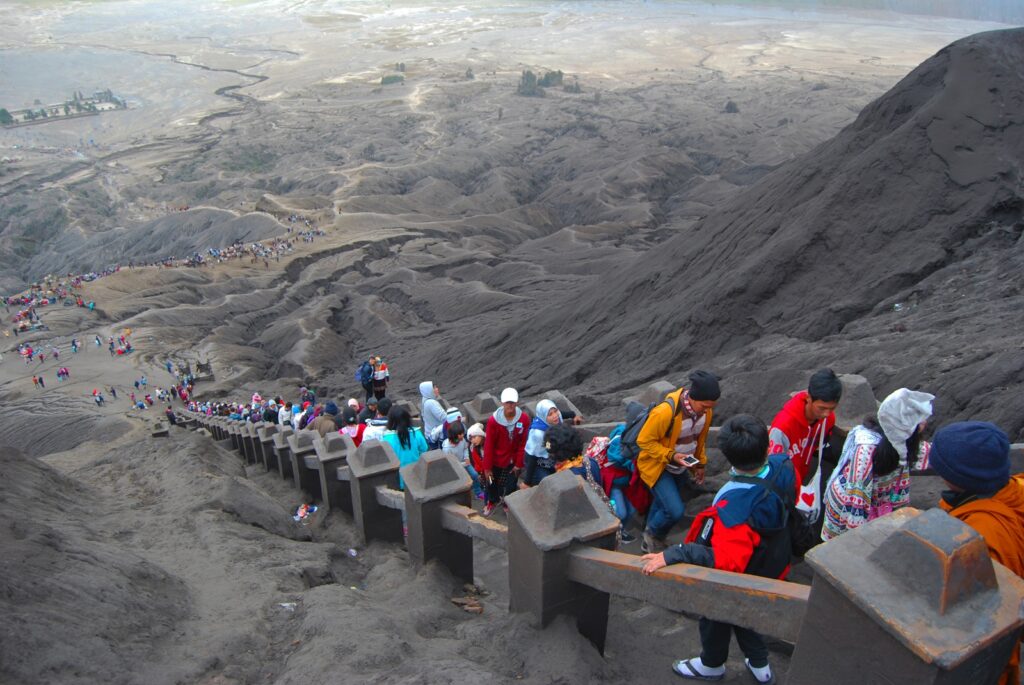
The hike to Bromo’s summit takes around twenty minutes, across the sand plain and up 250 human-choked stairs to the crater’s edge. The active pyroclastic cone shoots plumes of thick, toxic smoke from deep inside Earth’s mantle, significantly reducing visibility, and with hordes of people milling precariously on the rim, I was concerned there may be an unscheduled sacrifice to the gods. It’s not often we get to see our planet regenerating itself at such close quarters, and it’s thoroughly mesmerising, if not ridiculously dangerous!
It’s crucial to remember that Mt. Bromo is an active volcano (note that standard Aussie travel insurance policies don’t cover this high-risk activity), and the people congestion, lack of barriers, threat of volcanic eruption, ashfall, landslides, and absence of responsible tourism practices add up to a dumpster fire. That said, it was an awesome experience, with some excruciatingly gorgeous photos, the end justifying the means…. I think.