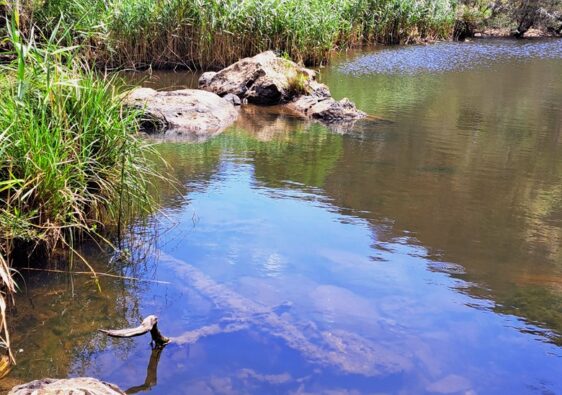
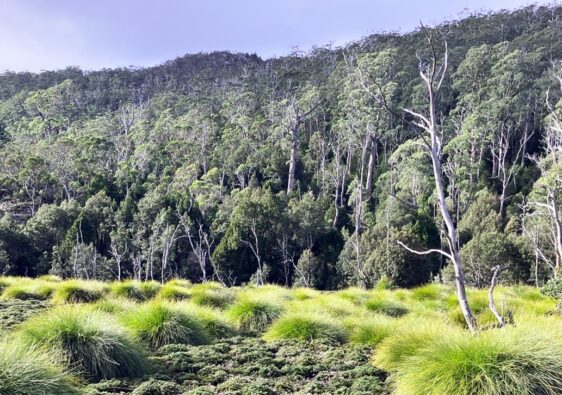
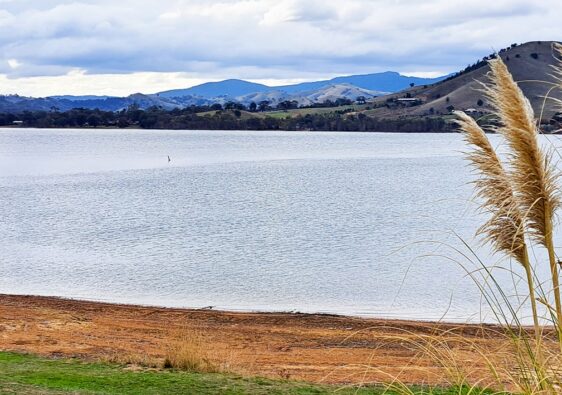
On a road trip from Melbourne to the Sunshine Coast in Queensland, we took a side trip to Glen Innes, located in the New England High Country, the Celtic capital of New South Wales. Surrounded by stunning national parks that are part of the Gondwana Rainforests of Australia World Heritage area, the Washpool National Park was on our hit list! En route, we passed signs with names like Gwydir River, Dangarsleigh, Bendemeer, Moonbi, Merrygoen, and Llangothlin, and I felt like I was a bit player in a Lord of the Rings movie.
The journey through the Great Dividing Range was a stunner, a picturesque alternative to the Newell Highway. There was an abundance of causeways with names like Rocky Creek, Stoney Creek, and No Stones in this Creek (nope, made that one up!), and a curiously named, Beardy Waters. The beardy moniker proliferated in the area and obvs required a deep dive on the net!
Apparently, two long-bearded, former convict stockmen, William Chandler and John Duval, were among the first European settlers in the area. Using their local knowledge to advantage, they guided land seekers to find suitable acreage for pastoral stations. As a reward for their efforts, various things in New England were named for their characteristic beards – Beardy Plains, Beardy Waters, Beardy Waters Woodlands, Beardy Waters Dam, Beardy Collie….I’ll stop now.
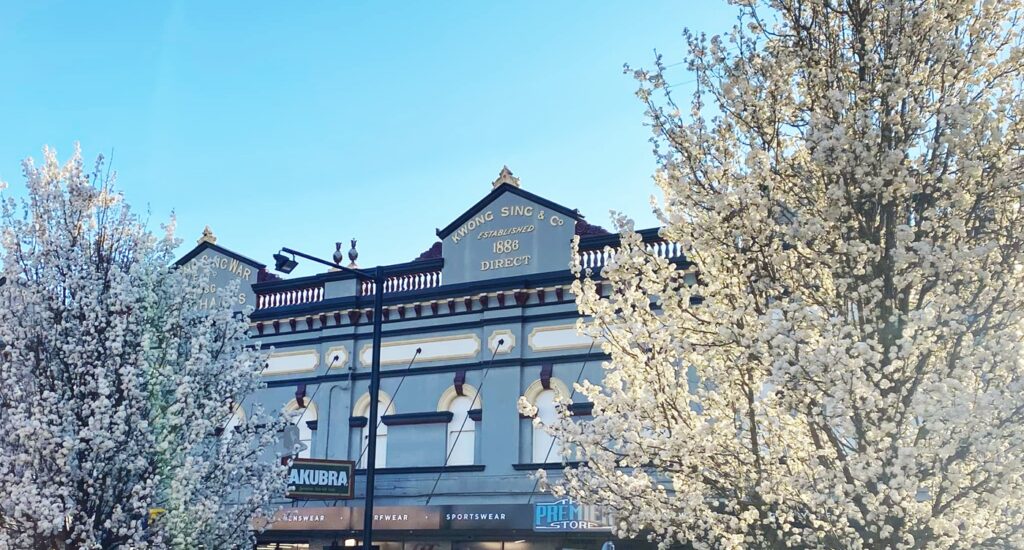
Glen Innes has a heap of gorgeous Victorian-era buildings, none of which we had time to explore (as I always say, you need to leave something for next time), and a massive “Land of the Beardies History House,” a folk museum located in the town’s first hospital, with 26 rooms of displays (ahh, yep, next time lol).
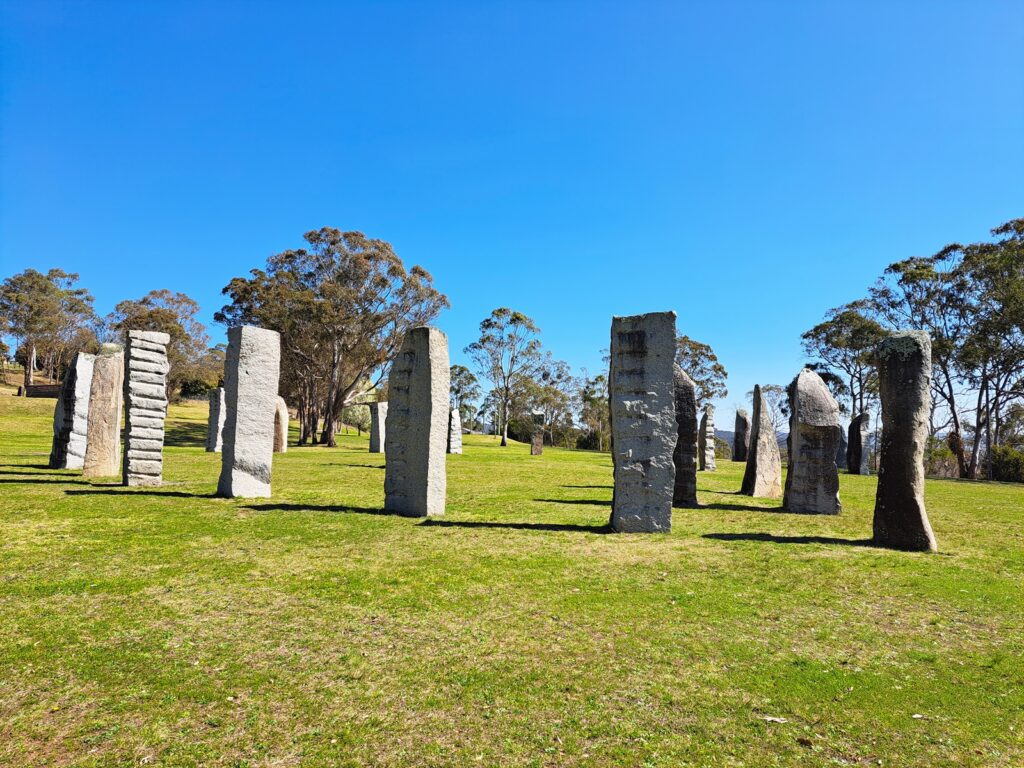
An interesting curiosity just outside the town centre and a national monument to Australia’s Celtic pioneers, the Australian Standing Stones, inspired by the Ring of Brodgar (LotR vibes anyone?), are a conglomeration of 38 granite stones that stand 3.5 metres high. Giving off Stonehenge energy but with less vintage cachet, the Standing Stones were constructed in 1991, with the first stone raised by the local Tug o’ War team. Every May, the Australian Celtic Festival is held here, over a 4-day period. The mind manifests images of medieval feasting at long wooden tables, mead, wenches, greasy beards, storytelling, jousting, and river dancing! Realistically, it sounds like a good craic, so might just add this to my bucket list!
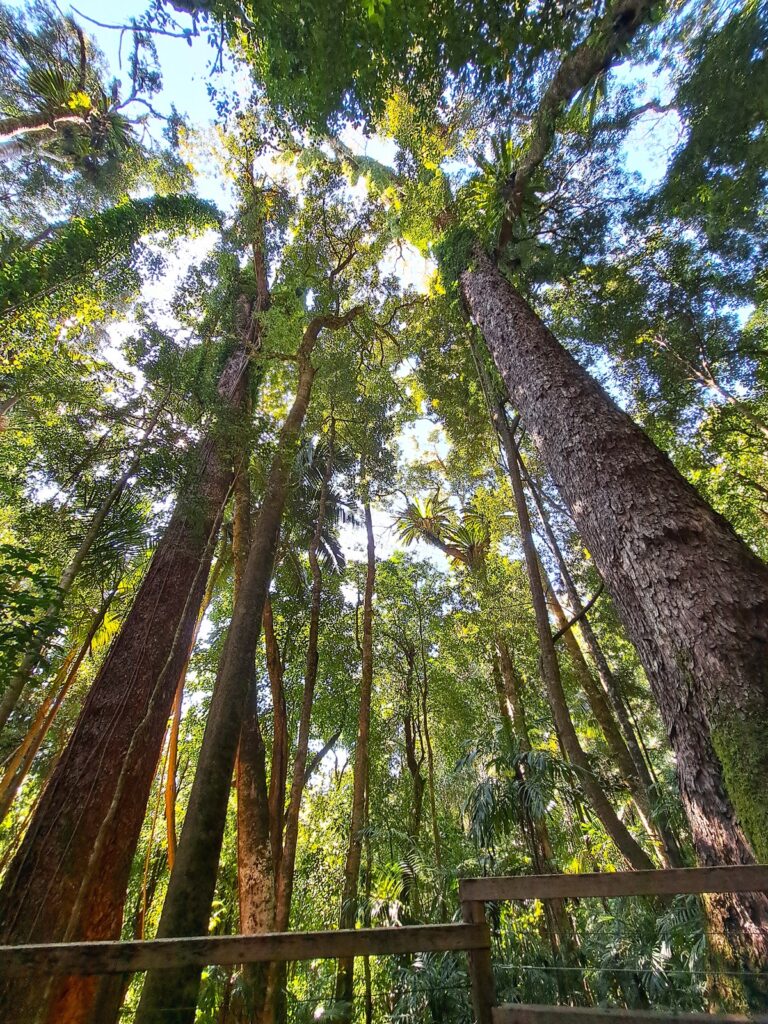
Forty-eight kilometres down the Gwydir Highway, east of Glen Innes, is the Washpool National Park. A place of steep gorges, crystal clear waters, and amazing tracts of ancient rainforest, it also has the world’s largest stand of coachwood and red cedar. It’s a natural habitat for some of Australia’s rarest creatures – the Parma Wallaby, Pouched Frog, long-nosed Potoroo, and the Spotted Tail Quoll (yeah, nah, didn’t see any of those).
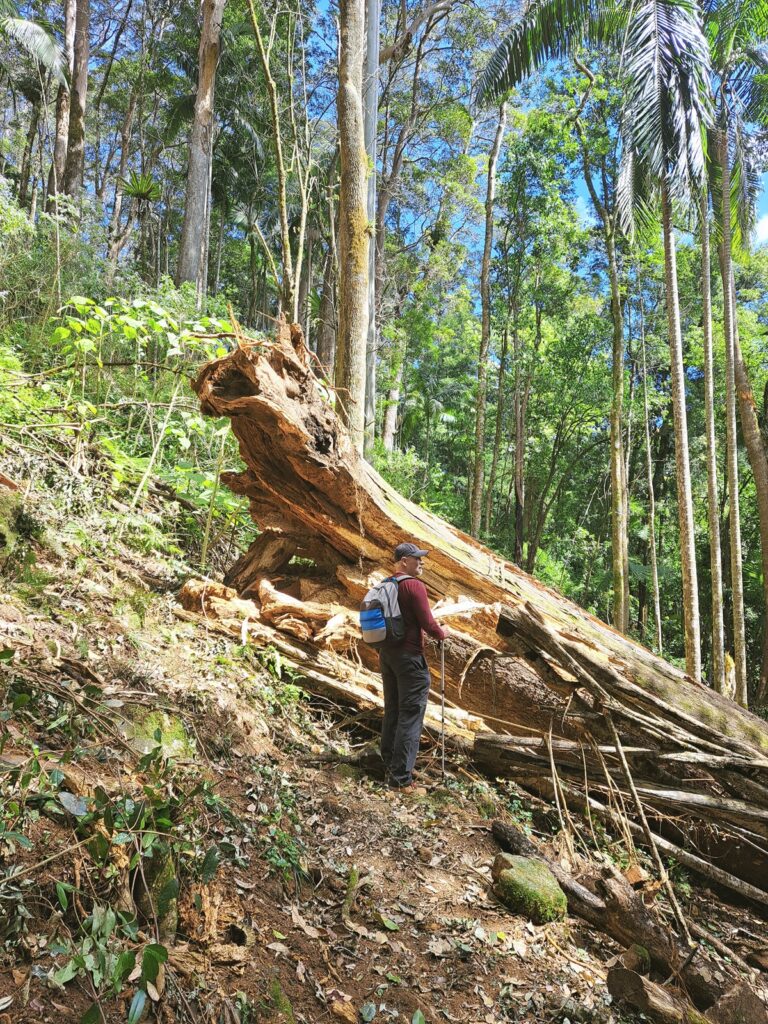
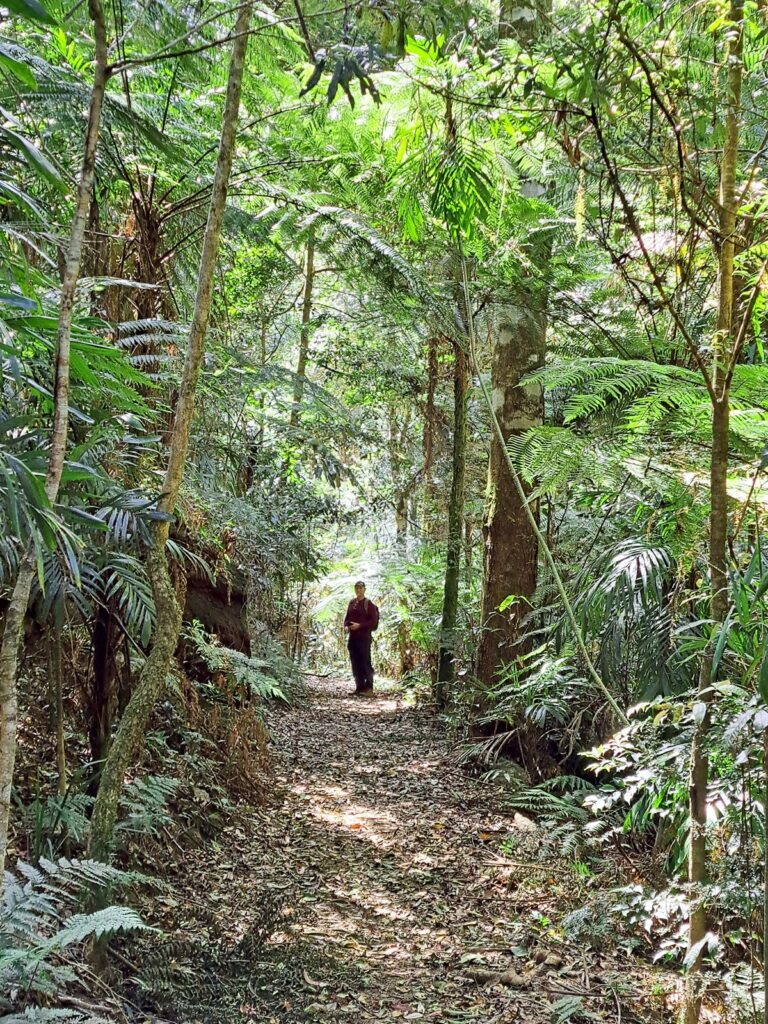
Prior to doing the Washpool Walking Track (8.5 km loop, 3.5 hours, Grade 4), I did a little research (I know! Hard lessons previously learnt, lol.) I read on All Trails that a big tree had only recently fallen across the track. The hiker said “If you don’t like scrambling over trees, you will need to turn back and extend the hike by 7k’s.” Wait, what? So, every tree over the trail we walked under, over, or scooted around, we thought, “Is this the one?” and then, it appeared. One giant, mother of all fallen over, what the actual, tree blocked the trail. There was no going over it, no going under it, and a gorge to the right of it. And it was 1 km from the end of the trail, so defs no going back!
With much effort and contorting, we managed to shimmy around the stump to the left, which was projecting precariously skywards. On the other side, we ran into two park rangers who were laboriously shouldering large planks of wood in from the car park a kilometre away to create steps around the stump. They said there’s no way they could get that tree, the size it was, off the trail, so a stairway it is.
Adding to the fallen tree drama, I managed to drop my metal hiking stick off a bridge, into a gully, its aluminium gleam, freakishly conspicuous amongst all the green. I was like, “Okay, bye-bye” and at the same time, wondering how long it takes aluminium to decompose (just googled it, 200-500 years!) My partner went all Indiana Jones and launched into the ravine to retrieve it. Bless.
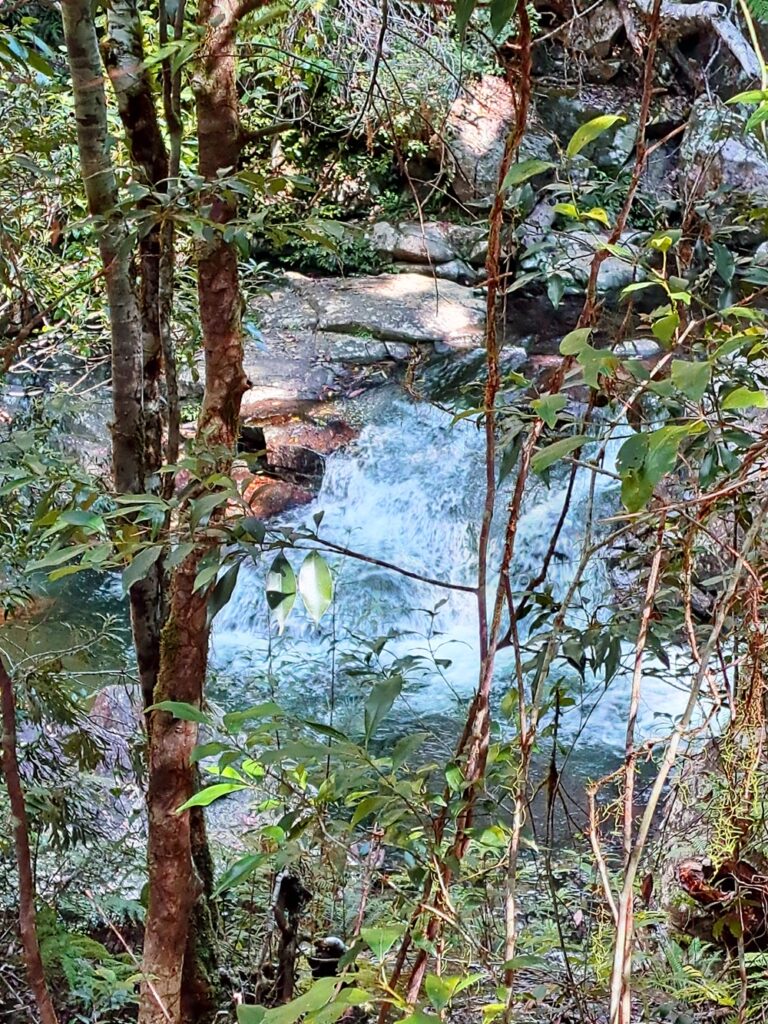
The walk had plenty of highlights: spectacular ancient subtropical rainforest interspersed with open, dry sclerophyll forest, waterfalls, pristine waterways, awe-inspiring views, gargantuan red cedar trees, Jurassic Park-sized strangler figs, and big bonus, we were the only people on the trail! You need to add this hike to your list!