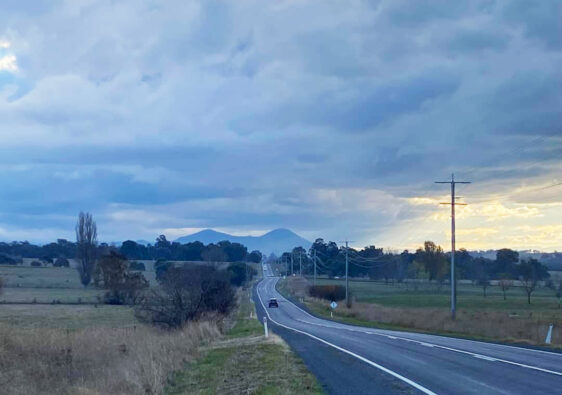
Only 150 km’s north-west of Melbourne, created during one of the world’s greatest gold rushes between 1851 and 1900, Bendigo is a regional city of unparalleled opulence and grandeur. The gold boom attracted a mass of nationalities seeking their fortune, and within 20 years, this melting pot of cultures bequeathed a stunning architectural legacy.
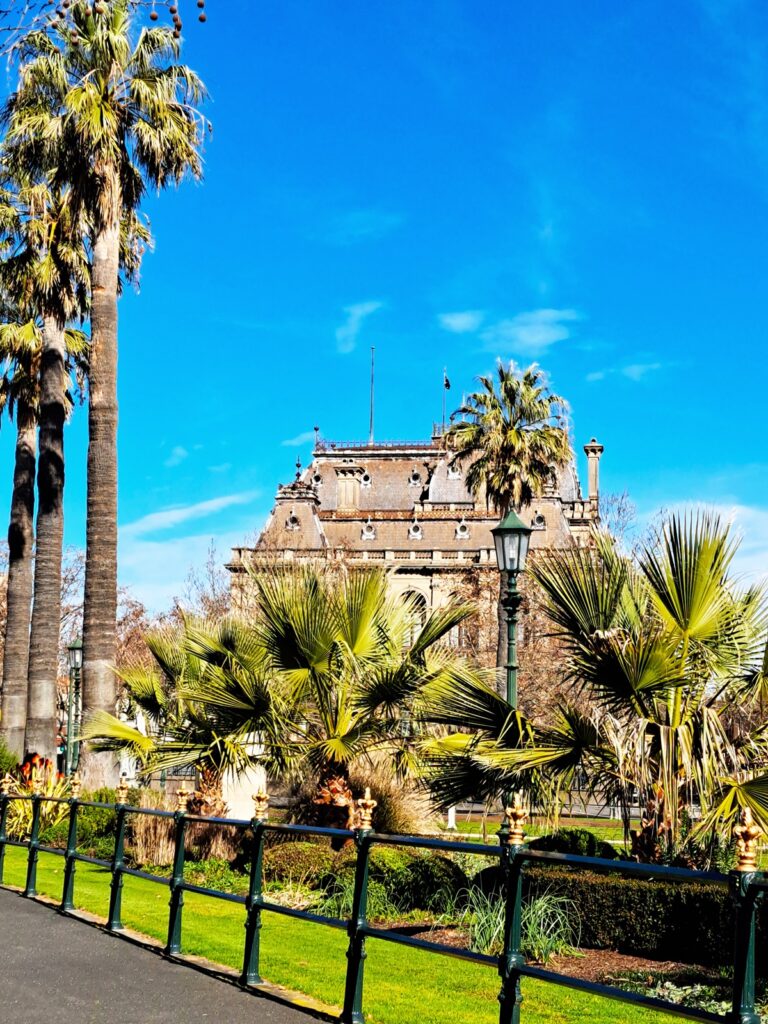
There’s an inventory of heritage-listed buildings in Bendigo the length of your arm, all within walking distance of the CBD. First on the list is the Bendigo Visitors Information Centre. Housed within the former historic post office and a classic example of Renaissance Revival style architecture, this site sets the bar for Aussie Visitor Information Centres.
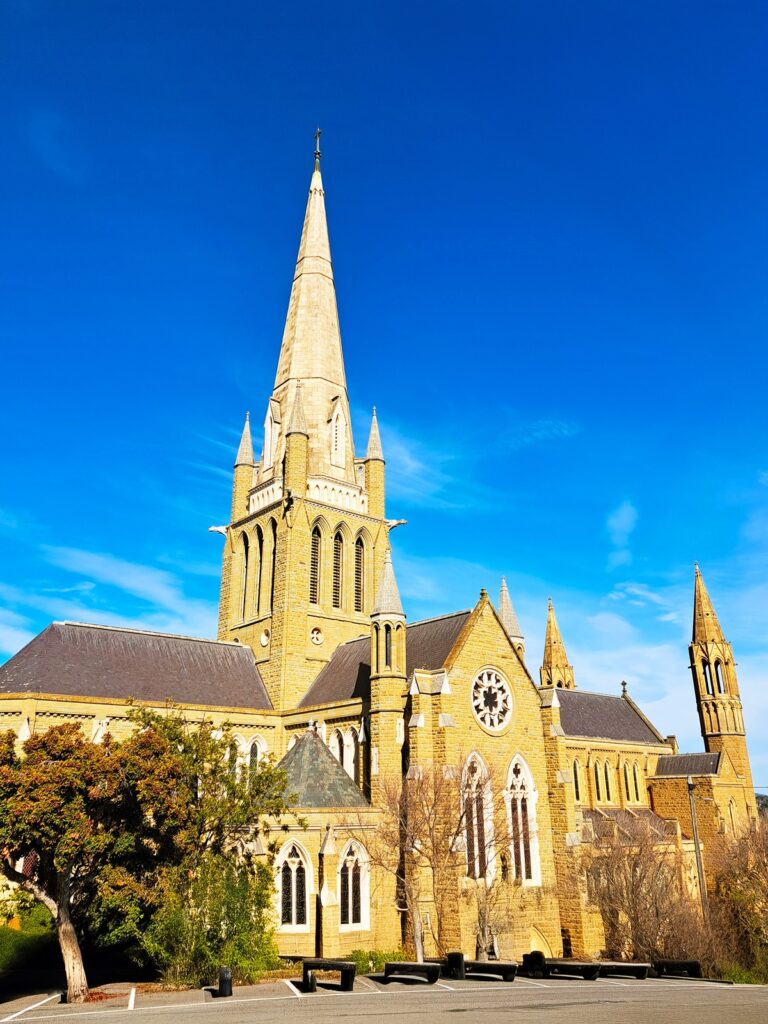
Not to be outdone, the Sacred Heart Cathedral commands attention, constructed on a grassy knoll, its impressive spires can be seen jutting into the sky for kilometres. Built in 1896, it’s the largest Gothic cathedral in the southern hemisphere, with cool gargoyles, flying buttresses, marble floors, stained glass windows, and a massive pipe organ. It is architectural splendour on steroids.
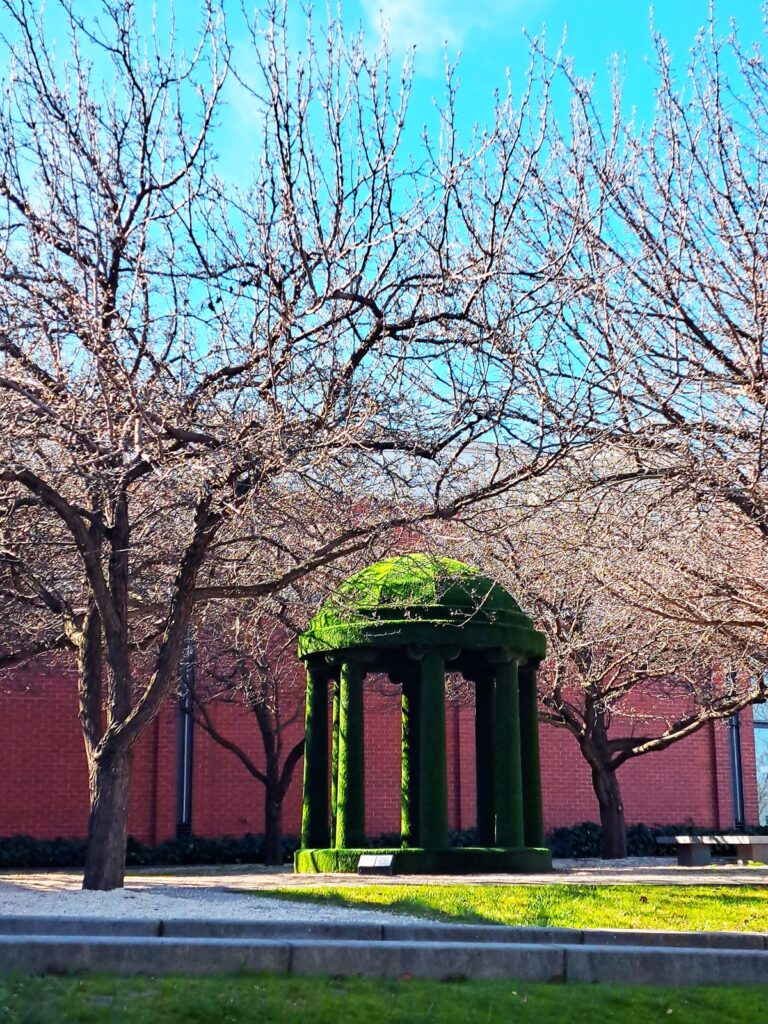
You really could be forgiven if you thought you were meandering around a quaint, historic European village, with perfectly manicured parklands, old-world buildings, quirky art galleries, twee shops, and Romanesque fountains. I could bang on about Bendigo and its cultural heritage for weeks!
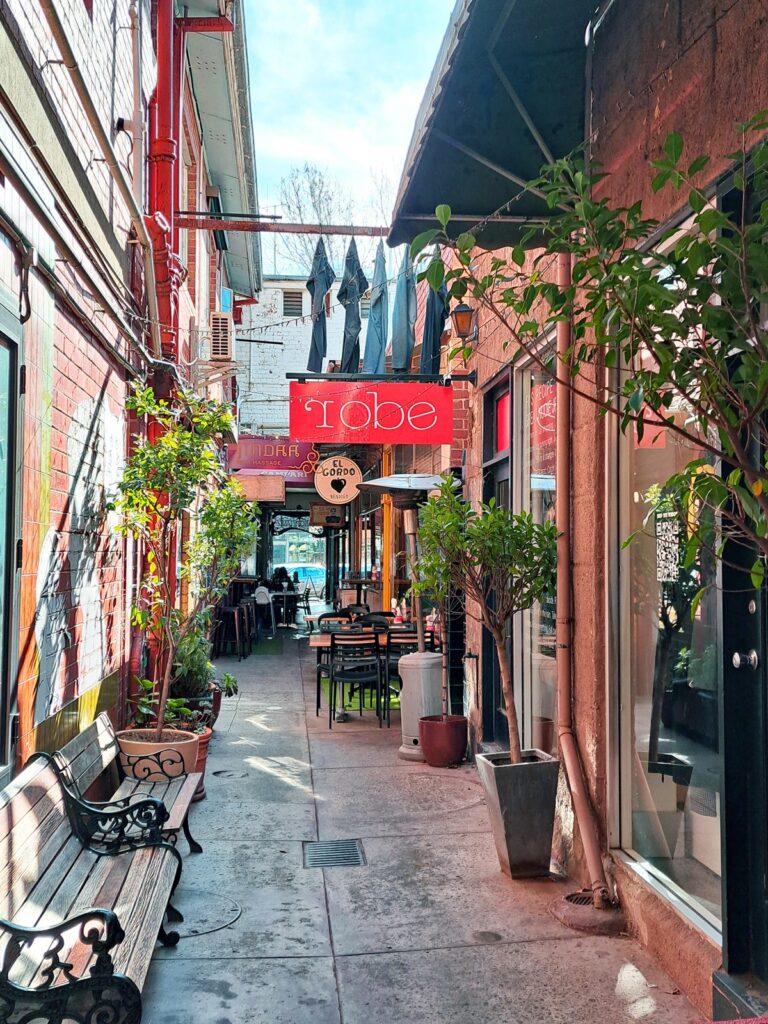
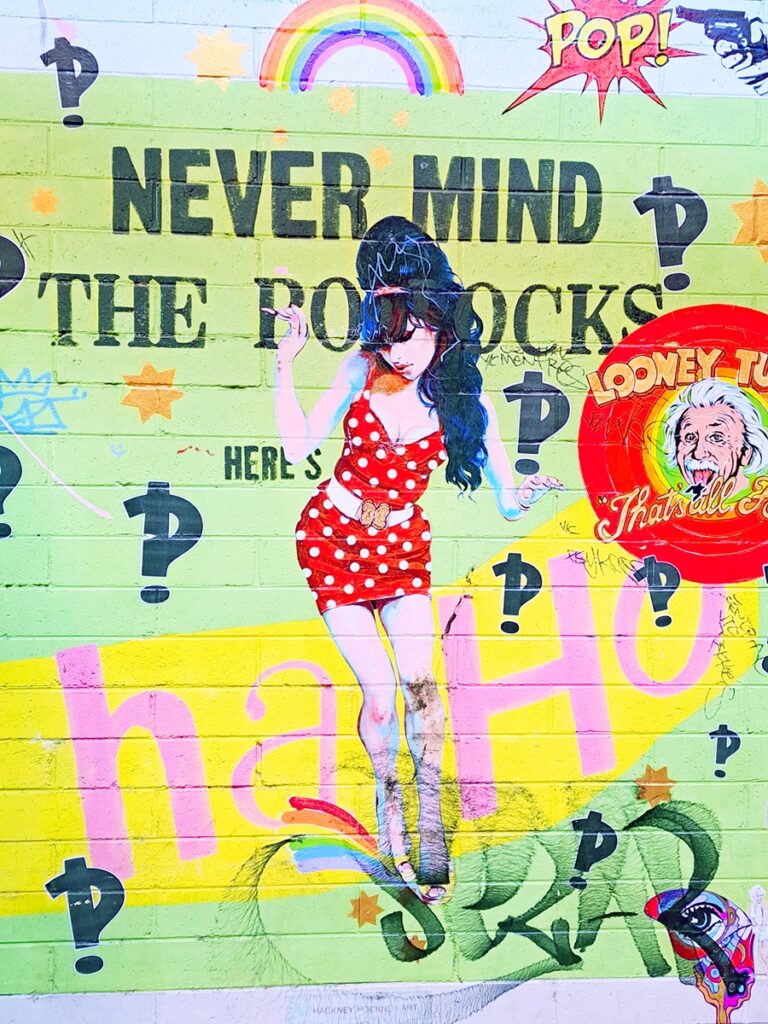
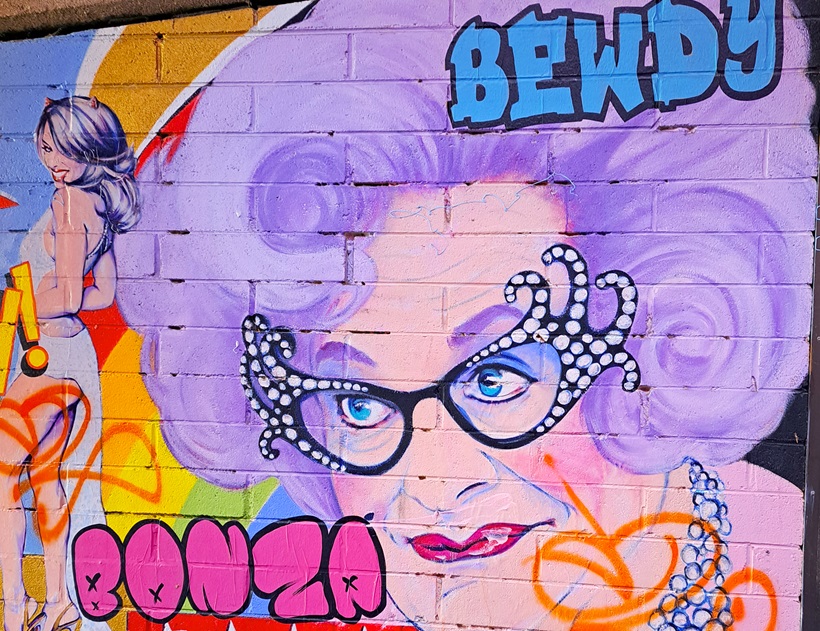
Not only does it have pretty things to look at coming out the wazoo, Bendigo also has a great food vibe. It is Australia’s first ever designated UNESCO Creative City and Region of Gastronomy, so snaps to you, big B! There are a plethora of boujee eating options, busy bars, lively laneways, and funky street art. A microcosm of Melbourne, maybe, but Bendigo has its own aura. We grazed at El Gordo, in colourful Chancery Lane, and were not disappointed with the seriously loaded fries and chicken wings that accompanied our beverages.
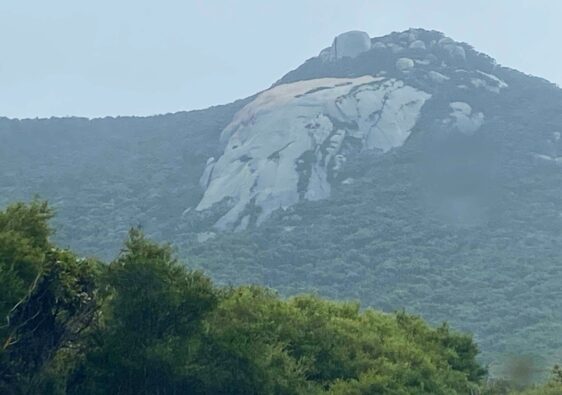
Bendigo is all hilly suburbs, with posh homes on wide, tree-lined streets, encompassed entirely by bushland and several reservoirs. It’s an aesthetically pleasing city within a forest. So of course we had to try a trail.
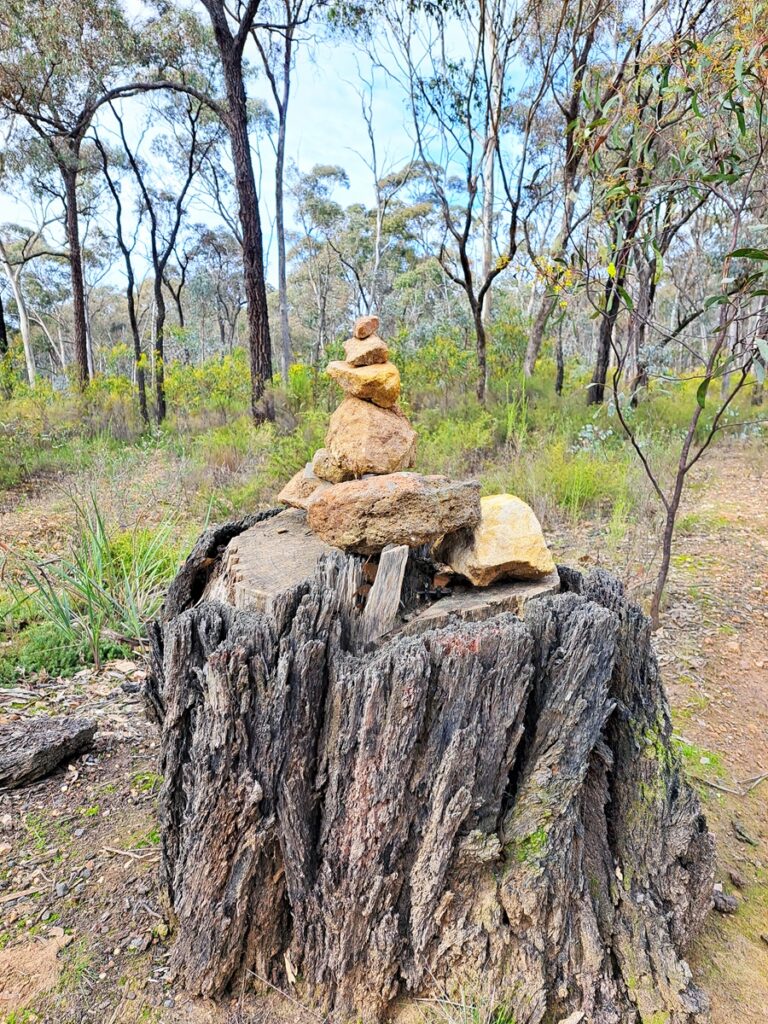
Greater Bendigo National Park, Womindjika, lands of the Dja Dja Wurrung people, protects an area of high-quality Box Iron Bark Forest, along with mallee and grassy woodlands. We chose the Bendigo Bushland Trail and Wildflower Drive loop, and as it wasn’t wildflower season, we got gypped on that bit. The loop is advertised at 8.9 km’s and around 2 hours, but for us, 12 km’s, and 2 hours 45mins (go figure!). Pretty sure we went off piste due to rubbish signage (c’mon VIC Parks!), but all circuitous roads eventually lead to home.
We passed a couple early on the trail who were attached to a ginormous wolfhound, which was dragging them frantically through the forest. They said they had seen roos, wallabies, and an echidna. For two hours and 15 minutes we trekked and only saw the odd pink and grey Galah, scared off a few murder of crows (how fun is that to say), and heard the distant call of the bellbirds.
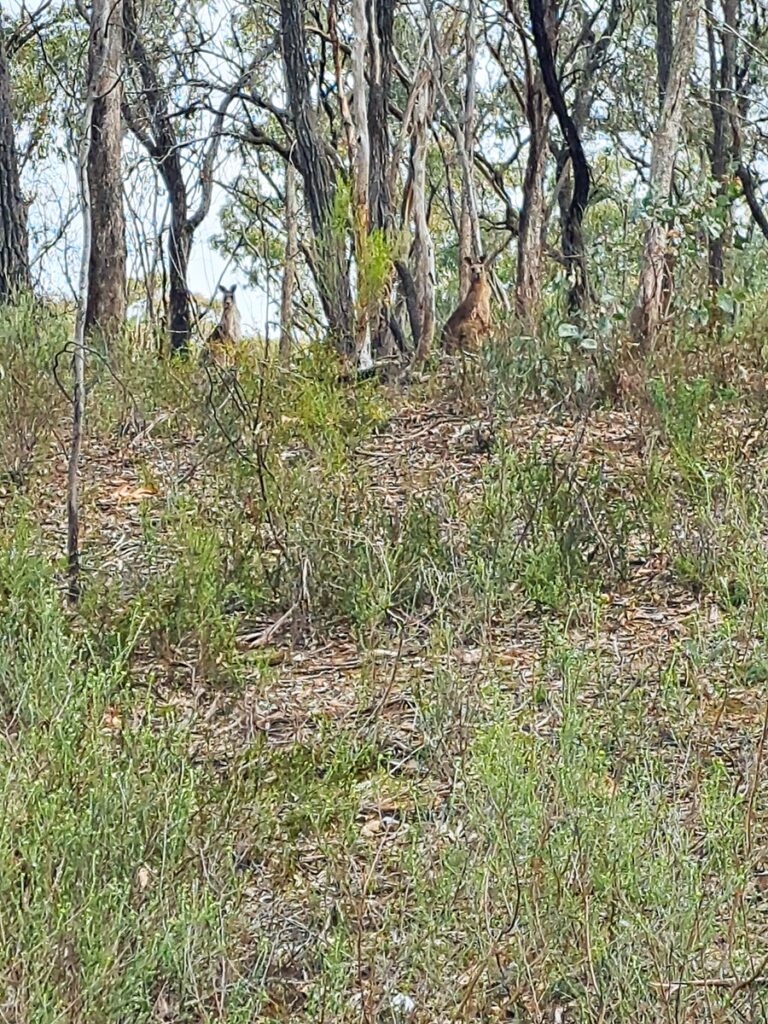
Until the last half hour of the trail, we had seen squat, and then the macropods appeared. These roos were freaking huge and hairy (as high-country marsupials are), and when they heard us, they stopped and watched us intently until we were out of sight. Kinda creepy, and I did look over my shoulder for commando-crawling kangas for the last bit of the walk.
We stayed in an amazing Airbnb across the road from the footy ground and a short walk to the local pub. It channelled Moulin Rouge, with a moody burgundy vibe, faux fur throws, Parisian poster art (uh, except for the supplicating monks, but hey, the colour scheme was on point), and sparkly crystal and silver accoutrements. Accom that understood the whole of Bendigo’s assignment: eclectic, artistic, creative, and a little left of centre. Go there!