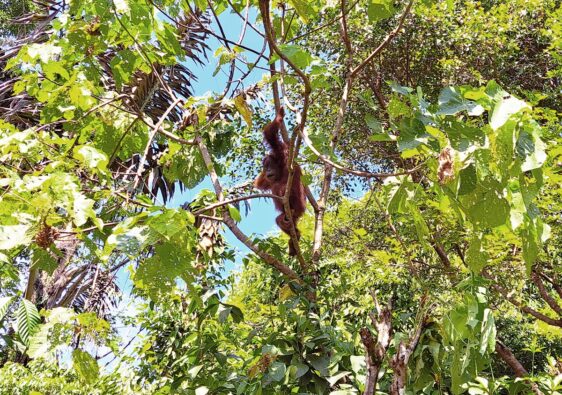
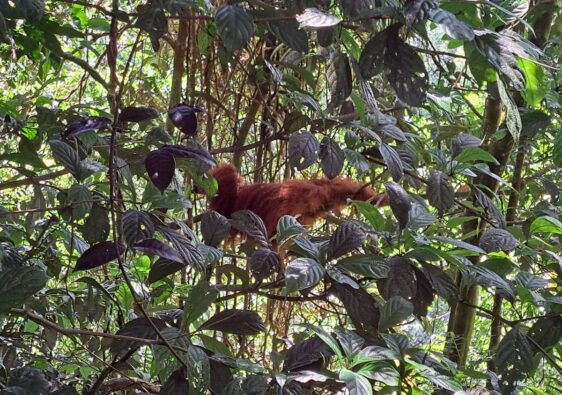
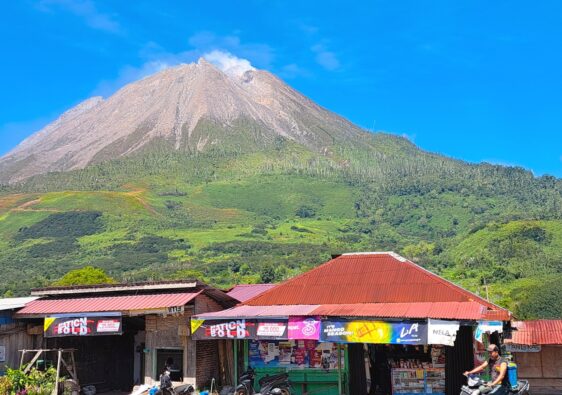
We exited Bukit Lawang enroute to Lake Toba, having obliviously employed the services of a second road ninja on our Sumatran sojourn. Punctuated with surge and brake driving, Max Verstappen cornering and Tokyo drift, it was an eight-hour adrenalin rush that culminated in tantalizing views of Lake Toba from above, followed by a torturously dangerous journey down to the port.
Some 74,000 years ago, the super-eruption of Mount Toba created the caldera that is now Lake Toba, and at the same time, uplifted a landmass within, forming Samosir Island. This climate changing event was the largest known explosive volcanic eruption in Earth’s history, spewing enormous amounts of ash and rock that caused a severe global cooling period, and the near-extinction of humans.
The Toba Catastrophe Theory proposed that this event caused a global winter and a genetic bottleneck in humans that reduced biological diversity, significantly influencing human evolution. It was a long trip down that rabbit hole, but I’m back, with a new interest in conspiracy theories and inbreeding!
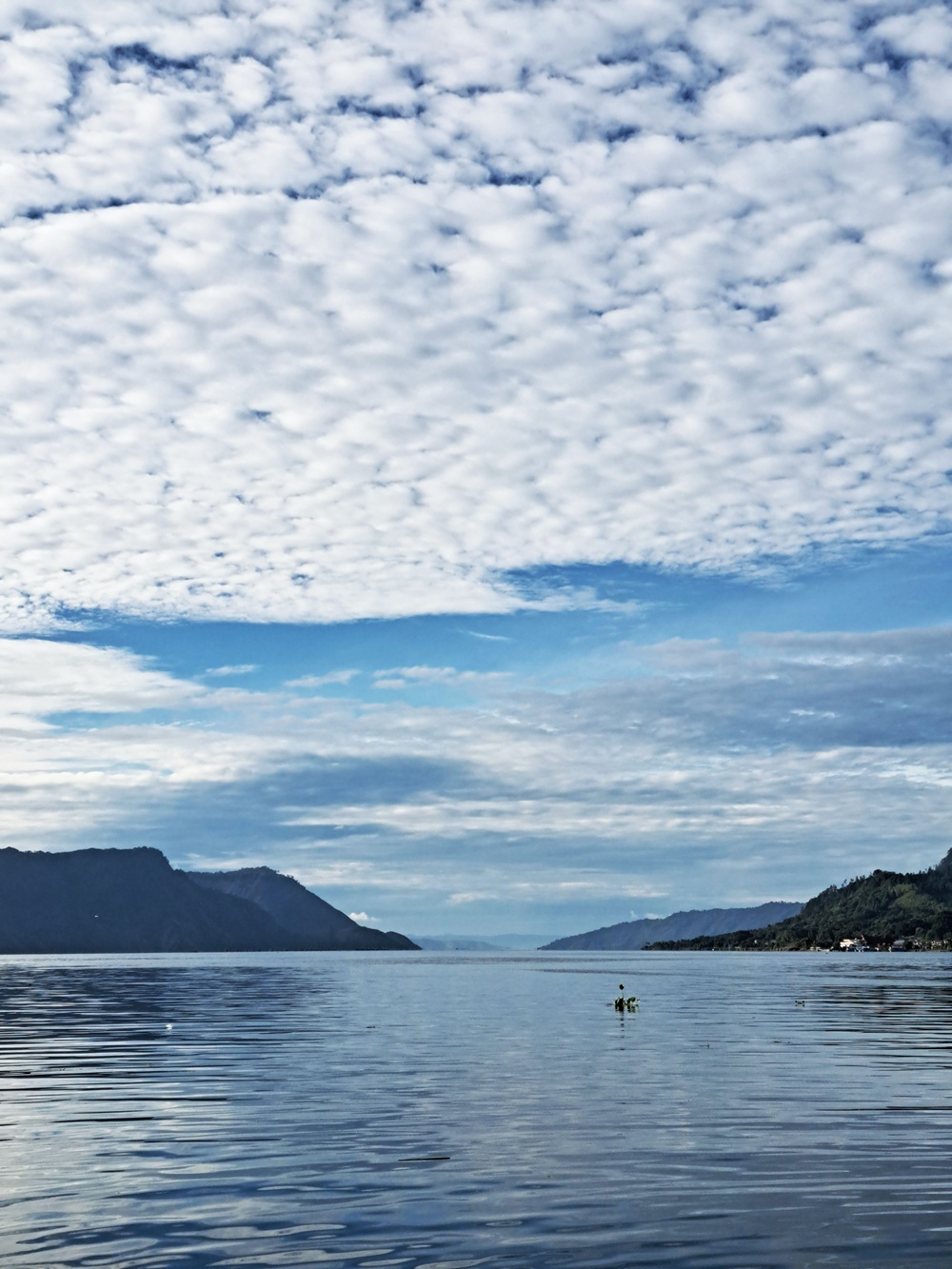
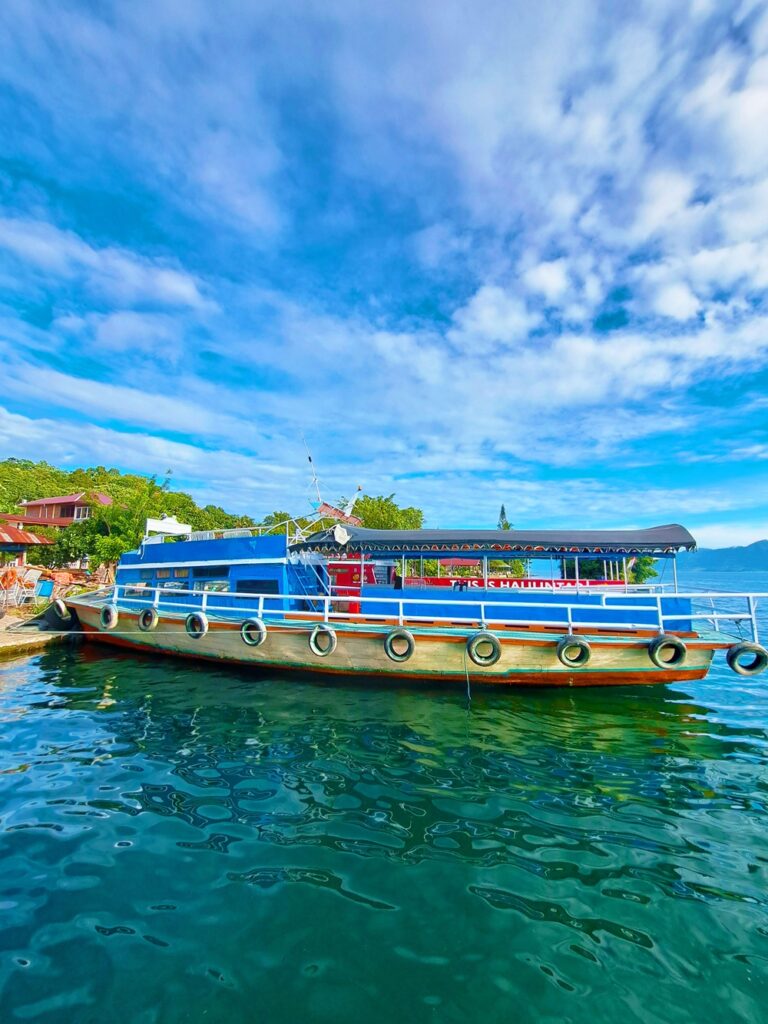
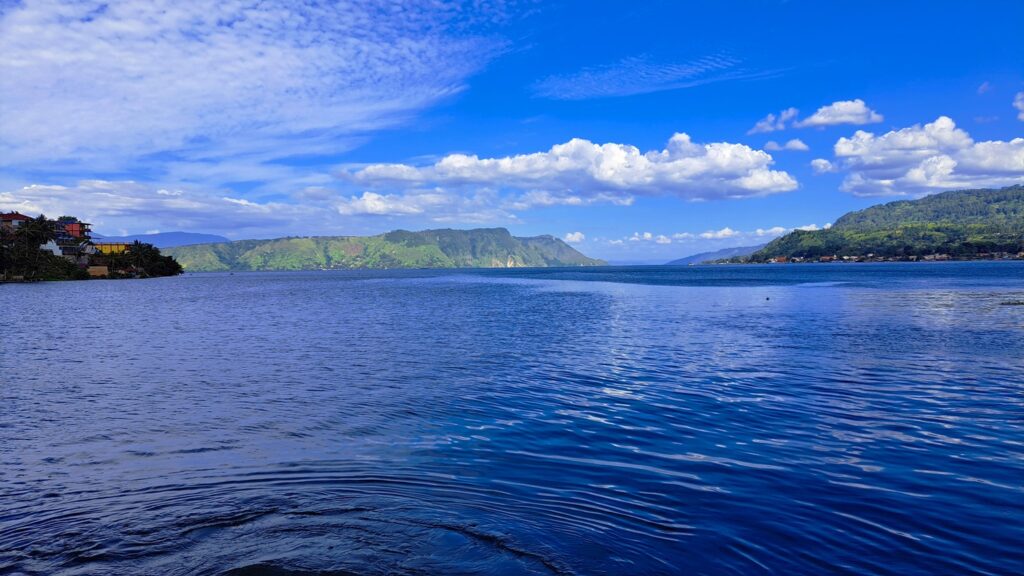
The ferry from Tiga Raja to Samosir Island was tonic for the soul. Surrounded by lush hills and verdant vegetation, Lake Toba’s emerald blue waters were transformative. Dynamic in nature, over the course of the five days we were there, Lake Toba looked different each time I glanced upon her.
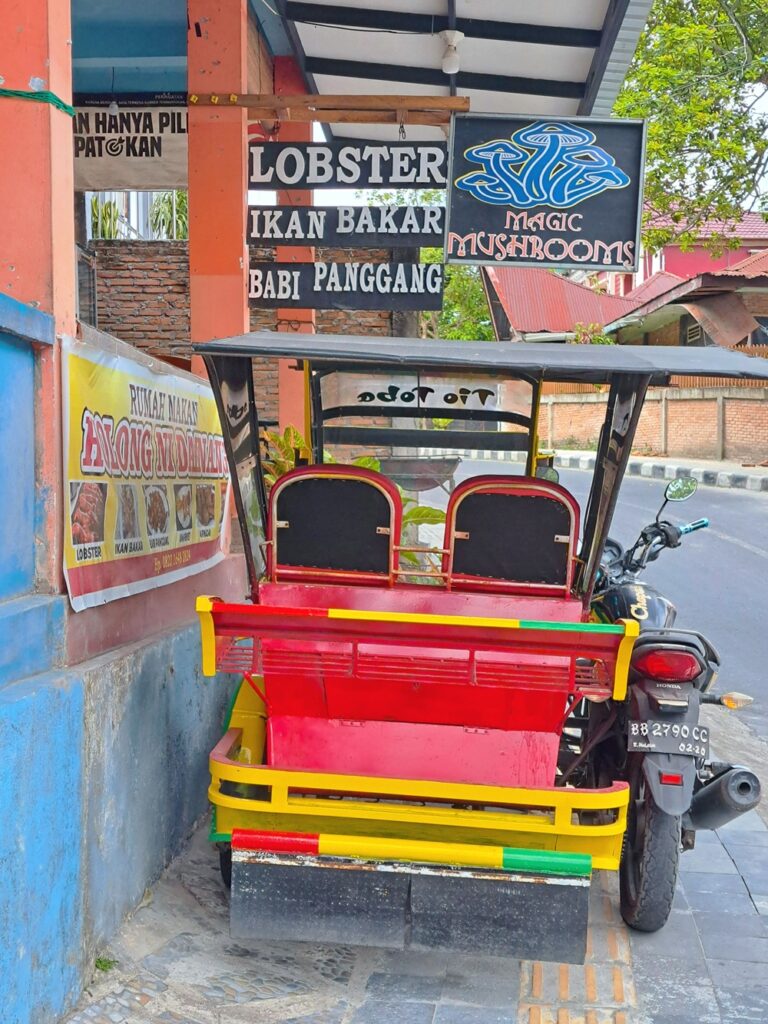
While the village of Tuk Tuk is the main tourist hub, you definitely don’t go to Samosir for beaches and doof doof. It’s chill, rewind, recharge, feet up, phones down, and it’s locally legal to get off your chops on magic mushies! The island within an island is 630 square kilometres, the most popular mode of transport, motorbike hire. Those of us without a death wish were left with the option of hiring an elusive tuk-tuk or shank’s pony.
We explored on foot, looping from our amazing accommodation at lakefront Tabo Cottages, to round the headland, following a map that was big on pictures and short on directions! We dead-set lucked upon Museum Sipalakka, the sign being in Indo with no English translation.
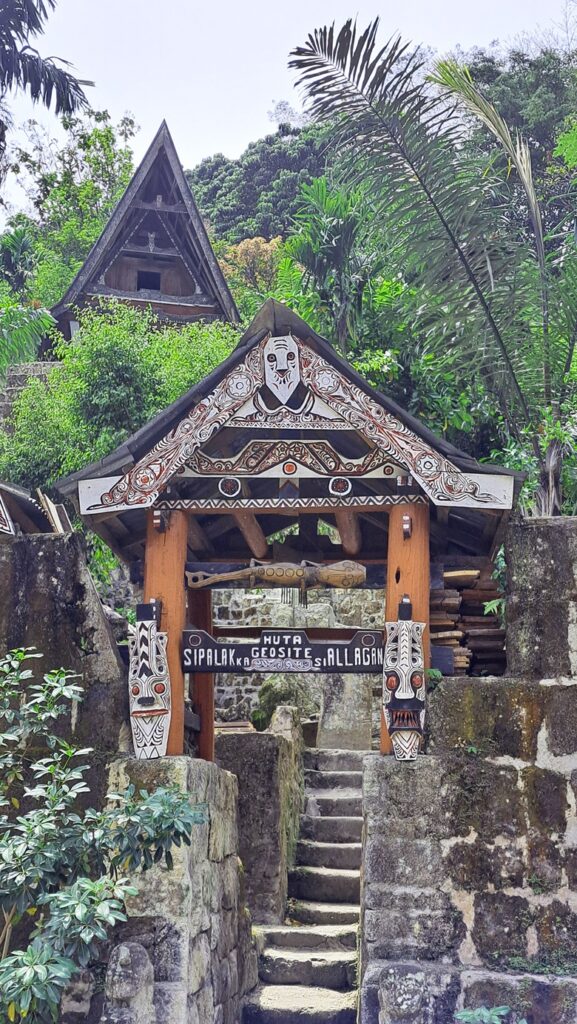
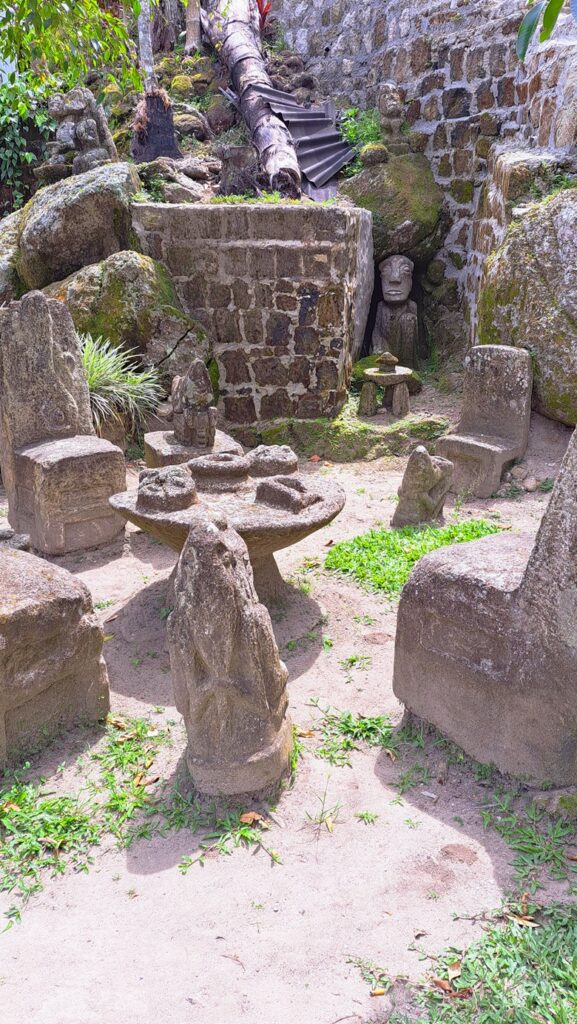
Tucked away up a side lane, this Geosite is a geological and cultural treasure and was absolutely fascinating. There was no gatekeeper or official entry, no information, and nobody else there, so we just climbed all up and over what I can only assume are ancient, culturally significant stones. We felt like intruders in this tiny hobbit town, and as we left, the man in the shop next door asked us for an entry fee. (Yes, we paid it. It was a dollar!)
Further meandering took us past spectacular scenic viewpoints, featuring funky cafes with fabulous food, ambient tunes and chill vibes. Our amble culminated at Huta Siallagan, an historic, culturally significant open-air museum. Located in Ambarita village and surrounded by a 2m stone wall, Hutu Siallagan showcases traditional Batak houses and allows glimpses into Batak ancient customs and traditions. Along with artifacts such as totem-like statues, sarcophagi and the Shaman’s magic stick, there is the revered Batu Parsidangan. These are large, 200-year-old stones, situated under a sacred Hariara Tree, carved into chairs encircling a stone table, used for both official meetings and trials and executions by the Batak kings.
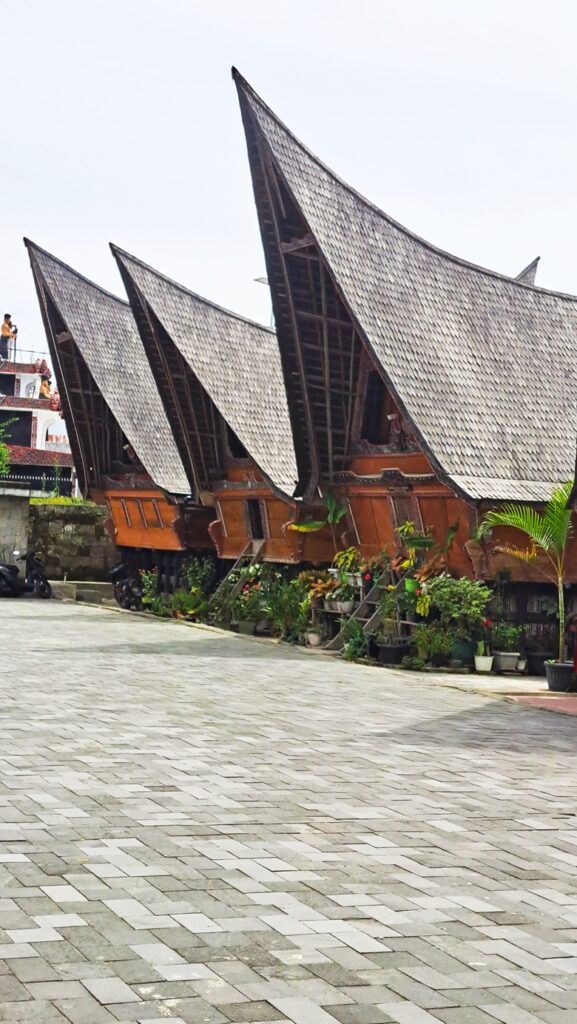
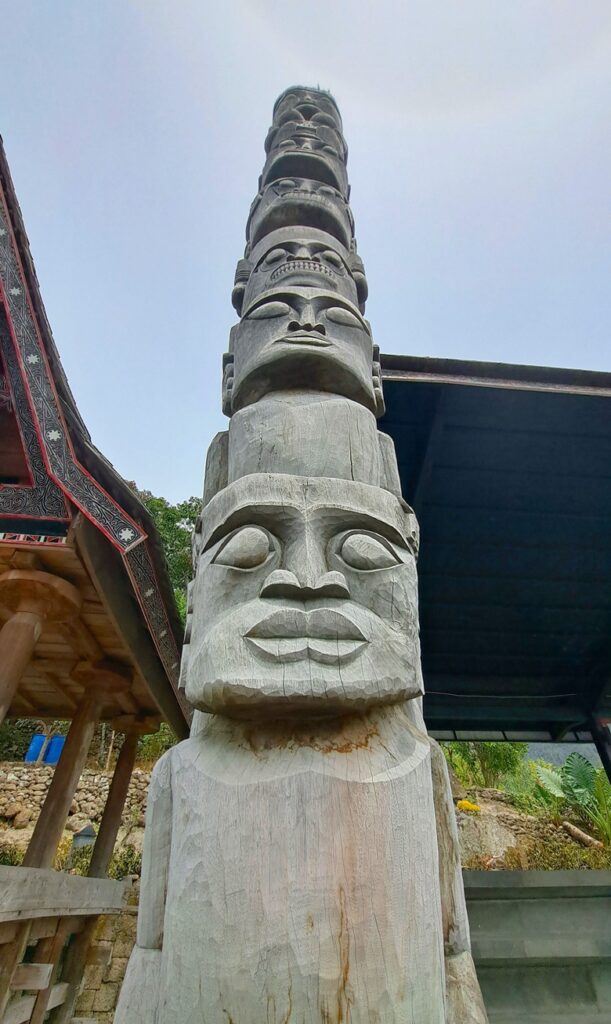
Fun fact: You can dress up in local costume, stand on a platform that has a rotating bubble machine and dance and sing to local music! I did wonder what they were thinking when they included this in their museum, but it’s interactive and made me lol.
There appear to be a plethora of prehistoric megalithic sites to explore on Samosir that include sarcophagus-style stone tombs, stone jars and stone tables and chairs. Excuse my cynicism, but if you’ve seen one big old stone thingy, you’ve seen ‘em all!
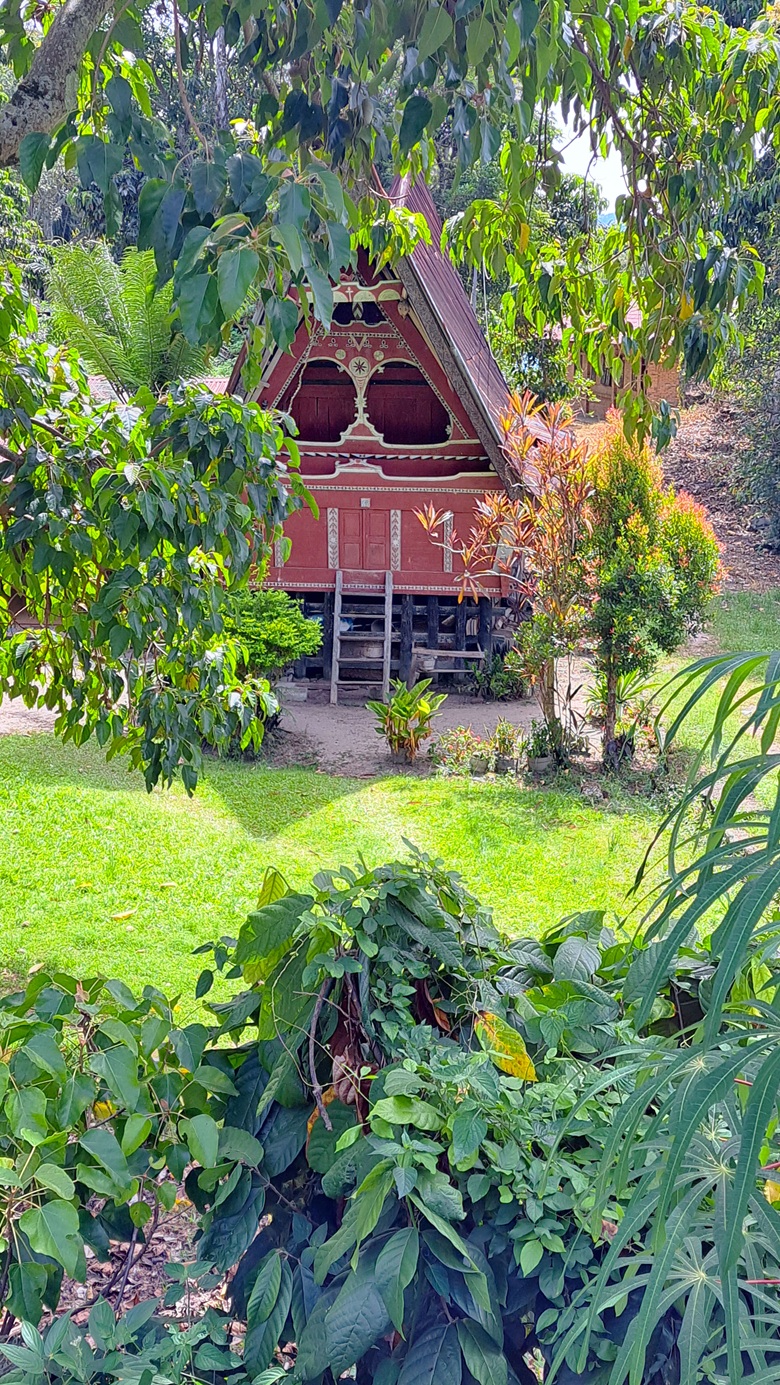
My fave part of Samosir Island was our dusk tradition of lolling on a pool chair, snorting in the serenity as the sun went down, lost in the mesmerizing ripple of the lake, whilst chugging amazing margaritas. Someone has to do it, right?